
Match the stay to the actual fishing departure, room dates and return jobs before choosing by town name or a package label. A property near a fishing town can still involve a different journey from the dock, launch or access point you will use.
Lodging simply means somewhere to stay: a hotel, cabin, rented house, campground or fishing lodge. Start with the trip's address and schedule, then look for the kind of stay your group wants.
Start with where the fishing begins
Keep the fishing entrance/boarding point, requested arrival, departure, expected dock return and readiness to leave afterward. A business office address may not be the boarding point. Get the property’s actual address and check-in/check-out rules beside that schedule before deciding which nights and rooms fit.
Use the fishing meeting address and the property's actual address when planning the journey. Allow for leaving the property, driving, parking and reaching the crew's meeting place. Check current route information before relying on a journey time; ‘near the fishing town’ doesn't describe that whole trip.
If staying in New Orleans while boarding elsewhere, investigate the actual transfer rather than assume a city room is close to the boat. Include the driver or transport provider, pickup point, parking and who gets everyone back. The property is not a confirmed transfer service unless that arrangement is actually included.
For an invented two-night plan, a group could arrive Friday, fish Saturday and check out Sunday. If instead fishing on checkout morning, the boat may return after the room must be vacated. Neither pattern is recommended for every trip; write the real room nights and fishing hours together to identify luggage, parking and changing questions.
Pick the kind of stay that suits the group
A hotel may suit separate rooms or an overnight stop. Establish actual room/bed arrangements, late arrival or early departure, breakfast availability and parking; do not assume breakfast will be served before your fishing meeting time.
A cabin or rented house may provide shared space and cooking facilities. Count all people staying, rooms, beds, bathrooms and nights, including anyone not fishing. Confirm the actual sleeping/access arrangements, cleaning charges and house rules rather than treating a headline occupancy as a room plan for the group.
A fishing lodge is accommodation marketed around fishing; the name alone does not specify meals, boats or transport. For a package—services offered together—itemize rooms/nights, fishing outings, meals, transport and any extras with their supplier, included price and confirmation. Lodging occupancy and the boat’s guest limit are separate questions.
Keep an unanswered package part visible. A room confirmation is not automatically a fishing reservation, and a boat booking does not automatically reserve beds. If one seller coordinates both, establish who confirms each service and how payments and changed plans apply.
For a campground, check the actual campsite, facilities, access times and what you must bring. Compare the accommodation your group will use, not just the hotel's, house's or campground's headline description.
Ask about the practical details
Before paying, check the things connected to your fishing day:
- Can you arrive or leave at the times you need, and how do late check-in and early check-out work?
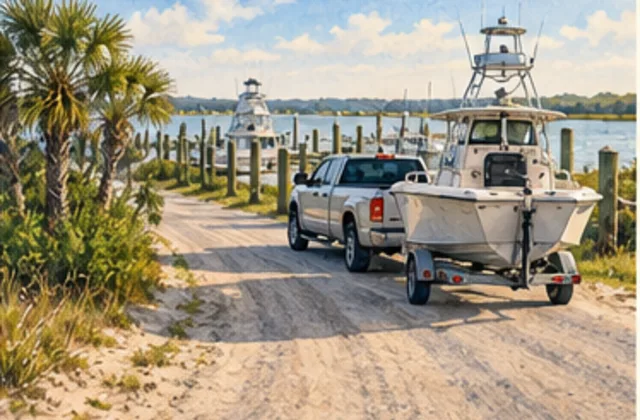
- Is there parking for your actual vehicle and, if relevant, a boat trailer?
- Where can wet clothing or equipment go, and what cleaning is permitted?
- If taking fish home, is any cooler or catch storage allowed and available?
- Do you need particular access, bedroom or bathroom arrangements?
- What can the people staying ashore do while others fish, and how will everyone meet afterward?
Ask the property about actual storage, cleaning, charging and equipment use before bringing a boat, trailer, wet kit or catch cooler. A nearby dock or outdoor socket is not an agreed guest facility. Discuss personal access/assistance needs privately with the person staying and the property, using the actual room and approach.
For guests staying ashore, record their transport, meals and meeting afterward separately from the fishing party. A shared room or car does not establish that everyone follows the boat’s timetable.
Connect check-out with the return
Check-out is the deadline to leave the room. It may precede dock return, catch collection or readiness to drive away. Establish who removes bags, where they can be stored, whether parking remains allowed and where the group can change afterward. A later shower, storage or parking extension needs its own answer, not an assumption.
Write the handoff: room vacated by [time]; bags with [person/place]; boat return [estimate]; collection/cleanup [arrangement]; onward pickup [time/place or open question]. These are placeholders, not confirmed facilities or a schedule. The dock-to-dock guide separates boat hours from the full visit.
Plan catch collection and the cooler for the journey separately. The packing guide helps split what goes fishing with you from what stays at the agreed return point.
Compare the same lodging guests, room/bed arrangements and nights. Label per-room/per-night, per-person and whole-property/package amounts. Itemize the applicable fees and what they cover before agreeing shares; any deposit credit, amount already paid, remaining balance and due date are separate payment records. Keep the stay separate from a boat charge unless the actual package explicitly combines them.
If some people stay but do not fish, agree room, meal, transport and fishing shares separately rather than divide every charge by the boat count. The cost guide helps keep recipients, included costs and payment shares distinct.
Read the room's own change terms
Ask what happens if fishing is cancelled or moved to another date. The accommodation may have separate cancellation deadlines and payment terms, even if you booked it for the same trip.
Keep each property/service confirmation, policy version, deadline, paid amount, amount due and contact beside its own change question. If one company sells several parts, ask which agreement applies to each and who handles the request. Assign the follow-up and retain the actual response. A fishing refund, credit or new date does not establish the accommodation outcome.
For a revised departure or date, recheck the room nights, availability, access/transfer, checkout handoff and charges before accepting the new combination. Keep proposed replacements distinct from confirmed bookings. The changes guide separates changed service from promised or completed payments.
Provider references include MGFC, VooDoo's booking information and Grand Isle Outfitters. Confirm the present services and property arrangements directly; this page isn't a current accommodation listing.