
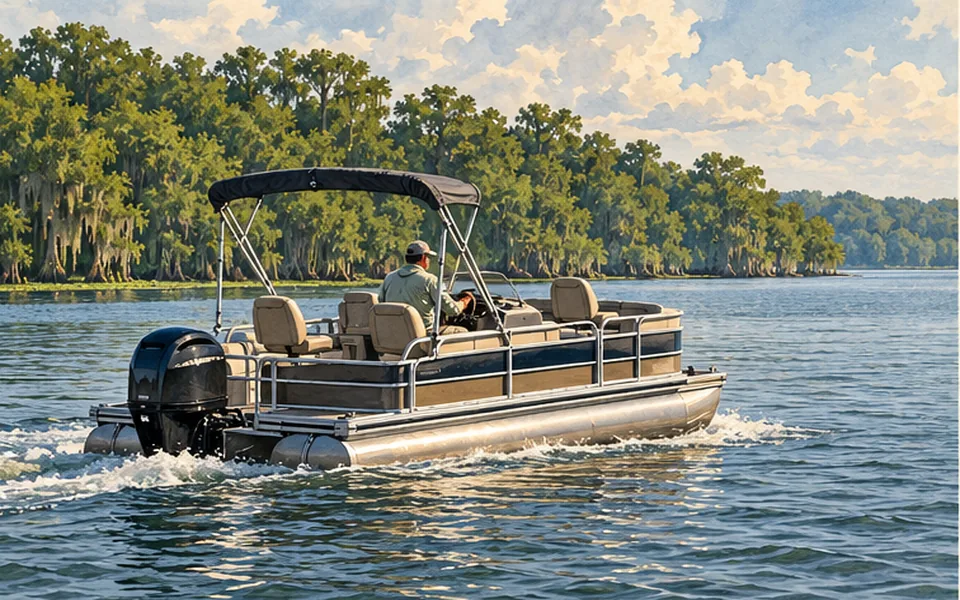
A guided lake trip is an outing where you pay a fishing guide to help you fish on a lake. It may include a boat and equipment, a lesson or a day focused on a particular kind of fish.
Start with what you want to do and learn, then confirm the guide, boat, meeting point and help for the actual group. You can say you're starting from scratch. The freshwater-guide introduction helps turn those goals into questions before booking.
Choose how you'd like to spend the day
You might want to learn to cast, help a child try fishing or get to know an unfamiliar lake. Choose one main goal and describe it to the guide. Casting means using a rod to send the line out over the water.
Bass and crappie are freshwater fish you may see named in trip descriptions. A bass trip might involve repeated casting; a crappie outing might involve casting or lowering a bait or lure beneath the boat. Ask about the actual method rather than assuming every trip for that fish works the same way.
A lure is an artificial item used to attract fish. Bait is something such as a worm or small fish put on a hook. If equipment is supplied, ask which parts are included and learn with those before buying your own. A guide's base price doesn't by itself tell you what gear is provided.
For example, ‘I'd like to learn one setup and try it with help’ asks for a different emphasis from ‘our group wants as much fishing time as possible’. Ask how instruction and turns fit the hours quoted. A species named in an offer doesn't promise a catch or explain what each guest will do.
Before you meet the guide
Get the exact meeting address, requested arrival time, trip length and complete quote. A launch is where a boat enters the water; that meeting place may differ from the guide's office address.
For a border lake such as Toledo Bend, confirm the departure side and intended water before using directions or checking license requirements. If staying overnight, check the route from the accommodation to that meeting point and allow time for parking and finding the boat. Confirm the crew's meeting time separately from the boat's departure.
Ask about rods, bait, fuel, food, drinks and any cleaning service. Mark what is included, what costs extra, what guests arrange and what is still unanswered. If you want instruction on your own equipment or electronics, agree the equipment, lesson and any charge before the day.
Keep the full guest count, actual boat and intended water with the quote. Ask what happens if the launch changes, how you'll receive the new address and which arrival or license questions need checking again. A saved office address or a past trip's directions won't settle a new meeting point.
Picture the time aboard
Meet the guide, hear the instructions and ask where your bag goes, where to sit during travel and how the fishing positions work.
If learning is your goal, ask for one complete demonstration before trying it yourself: identify the hook, line and any float or weight, then watch the cast or lowering and the return. A float sits on the surface with the hook below it; a weight helps the bait or lure sink. Learn how to stop line going out and how to wind it back with the reel. The freshwater-rigs lesson explains the parts. Agree how turns and individual help are shared among the group.
Include observers in the full headcount. A small boat for a focused lesson and a boat for a family group may have different seating and fishing arrangements. Ask about the assigned boat, shade, bathroom and boarding help that matter to your group. If the proposal uses more than one boat, confirm who goes with each guide, where they meet and how instruction and payment work for each party.
During the lesson, say which action needs repeating—stopping the line, winding back or recognizing when to ask for help. If you put the rod down, ask where to stow it and where to sit before the next move. You can take a break without treating it as giving up the lesson.
Keep the plan flexible enough for the actual day
Weather or water conditions can change the proposed outing. Agree who contacts you and how a different meeting point, shortened trip or new date affects the service and payments. Check whether the alternative still provides the learning time, method and guest arrangements you asked for before accepting it; keep the provider's terms and confirmed changes together.
If keeping fish matters, ask about applicable rules, cleaning, packaging and where you collect them. Leave room after the dock return for the tasks you've agreed; the end of the boat ride may not be the moment you're ready to drive away.
Leave with something you can use again
Ask the guide to explain one setup or choice you want to remember. Make a short note of the parts used, the movement you practiced and where the bait or lure was meant to travel. Separate what you tried successfully from what still needs practice. If a detail is unclear, have it shown again before you leave; a photo of tackle alone may not capture the action you need to repeat.
You can follow a lesson with your own simple practice session later. Check that later place and its access separately; a guided visit isn't permission to use a private location yourself.
Provider references: Living the Dream, Toledo Bend guide service and Borderline Crappie Trips. Ask about current products and prices for your group; these references don't reserve a trip.